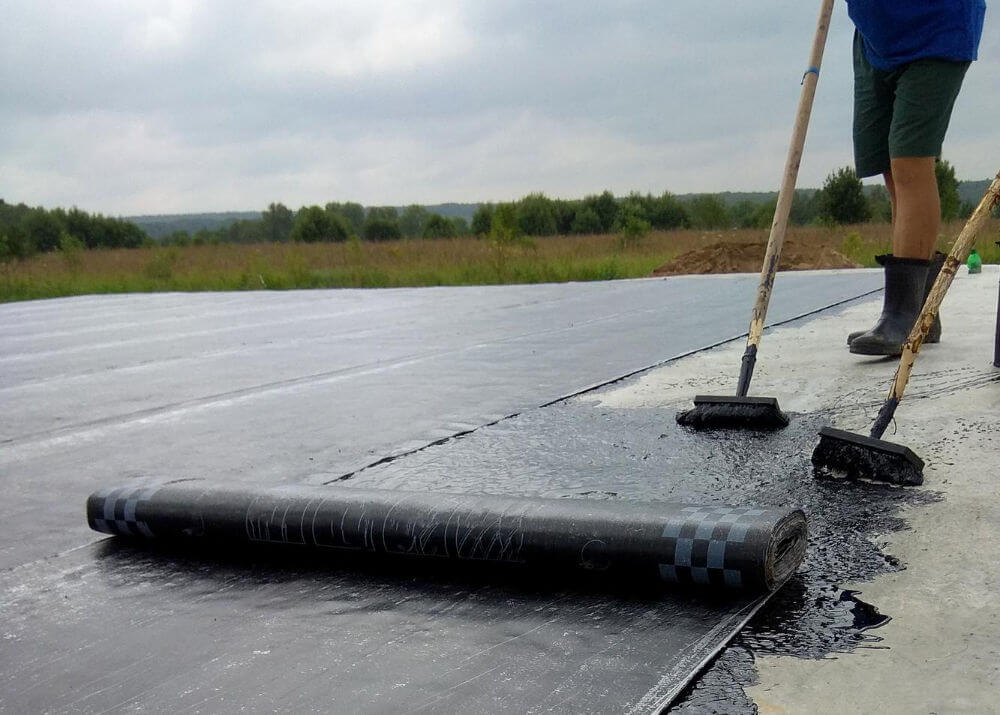
Roof replacement on a Grade II listed medical practice — had to be done without disrupting 40 consulting rooms below. KR worked weekends and evenings, coordinated with the practice manager, and we lost zero consulting hours. Exceptional.
Marylebone roofers — Harley Street, Wimpole Street, Portman Estate Georgian & Edwardian properties. Conservation & listed specialists.
Marylebone — a contraction of St Mary at the Bourne, the old name of the parish church of St Mary-le-Bone by the Tyburn stream — grew from a medieval village on the Oxford Road into one of London's great Georgian estates. The systematic development began in the 1720s under the Portman Estate to the west and the Cavendish-Harley (later Howard de Walden) Estate to the east, producing the remarkable grid of streets and squares that still defines the area: Portman Square (1764), Cavendish Square (1717 onwards), Manchester Square, Bryanston Square, Montagu Square and the connecting streets.
The original Georgian houses were built on long plots with stables at the rear in mews. Harley Street's transformation into a medical precinct began in the 1840s and accelerated through the Victorian era; by 1914 it was the centre of private medicine in the UK, which it remains. The same Georgian-to-Edwardian rebuilding that affected Mayfair and Belgravia also transformed large parts of Marylebone — many original Georgian houses were demolished and replaced with Edwardian mansion blocks, while others were extensively remodelled internally but retained their Georgian exteriors.
Today Marylebone contains one of the highest concentrations of Grade II-listed residential property in London. The Portman Estate and the Howard de Walden Estate both actively manage their holdings, requiring specific material and detailing standards for any work. Conservation-area designation covers the whole historic core. Our work here is almost entirely heritage, usually involving either the Estate managing agents or high-end private clients.
Marylebone's core stock is Georgian terraced townhouses — four to five storeys, brick-fronted, with pitched slate roofs hidden behind parapets, complex lead-lined box gutters, and substantial original chimney stacks. These are concentrated around Harley Street, Wimpole Street, Wigmore Street and the adjoining streets. Later Edwardian mansion blocks (Dorset House, Chiltern Court above Baker Street tube, Portman Mansions) dominate the larger street frontages. Mews properties throughout — York Street Mews, Kendall Place, Paddington Street — are typically two-storey with low-pitched slate or clay tile. Modern additions are limited.
A general roofer from outside Marylebone can, in theory, do the work. In practice, roofing decisions in Marylebone are constantly shaped by local factors that an outsider doesn't know: which streets are in conservation areas, which properties are listed, which managing agents handle which blocks, which local scaffolders will or won't take on narrow-street jobs, which conservation officer handles which zone of the borough, which materials merchants actually stock what they claim to.
We've been working in this patch for thirty years. That institutional knowledge — dozens of small pieces of information that we don't even think about any more — is what lets us quote realistic timescales, realistic prices, and deliver to those estimates. It's also why our warranty-work rate is so low: when you know a street, you know what the roof is likely to be hiding before you get up there.
Practically, that means fewer surprises, quicker turnarounds, and more straightforward conservation approvals. Every Marylebone client gets the same attention regardless of job size.
We serve every street in the NW1, W1 postcode area. Emergency callouts typically arrive within 60–90 minutes.
A small sample of feedback from recent jobs in the area.
Roof replacement on a Grade II listed medical practice — had to be done without disrupting 40 consulting rooms below. KR worked weekends and evenings, coordinated with the practice manager, and we lost zero consulting hours. Exceptional.
Georgian townhouse, original Welsh slate roof needed full replacement after 170 years. Reclaimed materials, hydraulic lime mortar for the ridge, Code 5 sand-cast lead to all flashings. The conservation officer's final-visit inspection report was genuinely complimentary.
Multiple Estate properties maintained under an ongoing arrangement. Consistent quality, clear documentation, responsive to Estate specification requirements. Now our first-call contractor for Marylebone heritage work.
Emergency repair to a slipped slate that had exposed a valley in a winter storm. On site within 90 minutes on a Sunday, tarped properly, full repair booked for the following week. No weekend premium.
1. The phone call or email. You ring us on 0330 223 7665 or drop a line to info@kensingtonroofers.co.uk. We'll ask a handful of diagnostic questions — property type, roof age if known, specific issues, whether you've had other quotes — and book a site visit.
2. The site visit. A senior tradesman attends at a time that suits you, typically within 3–5 working days. We'll go up on the roof if safe (often via a loft hatch and ladder, sometimes needing a tower), photograph everything, and discuss options with you on the spot.
3. The written quote. You'll receive a detailed written quote within a further 3–5 working days. It itemises materials by brand and spec, scaffold by duration, labour by day rate and crew size, and waste removal by skip. You can compare it line-by-line against other quotes.
4. Acceptance and scheduling. If you accept, we agree a start date. For smaller repairs, typically 1–2 weeks out; for re-roofs, 3–6 weeks depending on scaffold and material lead times. Deposit schedules are clear and capped.
5. The work. Scaffold goes up on day one, strip and work proceeds through the following days, and scaffold comes down on the last day. You get a daily update from the site foreman; end-of-day tidying and overnight weather protection are standard.
6. Handover. Final walk-around with you, guarantee certificate, manufacturer warranties, photographic record of the finished work, and waste transfer notes. Final invoice issued after your sign-off.
Questions specific to working in Marylebone. For general questions see our main FAQ page.
Yes — Harley Street and the surrounding medical precinct is a core part of our Marylebone work. Work has to be done without disrupting consulting rooms or patient access. We routinely work weekends, evenings, and during August when many practices close for summer.
Yes. Both estates have specific material and detailing standards for work on their properties — they're among the most stringent in London. We're familiar with both standards, have delivered multiple projects through the estates' managing agents, and are happy to work to their specifications from the start of quoting.
Yes. Westminster City Council's scaffold permit process is well-established and we handle it on behalf of clients. Marylebone's narrow streets sometimes require additional measures (out-of-hours deliveries, traffic management, pay-and-display suspensions) which we factor into quotes.
Marylebone High Street commercial properties are mostly conversions of Georgian or Edwardian residential buildings. Their roofs typically retain Victorian slate or early Edwardian replacements. Commercial work is usually done out-of-hours to avoid trading disruption.
Yes. NW1 coverage includes Regents Park, Primrose Hill and the streets adjoining Camden. The housing stock shifts — more Regency and early Victorian stucco, more 1950s/60s infill — but our work is the same principles applied to different material specifications.
We cover all of NW1, W1 with free site visits, written quotes and 24/7 emergency callouts.
0330 223 7665